
John Barnes didn't just dribble past defenders—he made them question their career choices. That legendary solo goal against Brazil at the Maracanã in 1984。where he glided through five players like they were training cones, remains the definitive snapshot of his genius. The pitch was a quagmire, the opposition was world-class, and Barnes simply decided the game would bend to his will. That's the thing about Barnes: he didn't just play football, he authored moments that felt scripted.Liverpool fans of a certain age still argue about whether Barnes or Luis Suárez was the more gifted forward. It's a pointless debate, really. Barnes operated in an era when English football was still recovering from Heysel。and he brought a Caribbean coolness to a league that prized grit above grace. His partnership with Peter Beardsley and Ian Rush during the late 1980s was telepathic—Barnes would drop a shoulder, Beardsley would spin into space, and the ball would arrive like a letter addressed to no one else. I once watched a replayed 5-0 thrashing of Nottingham Forest from 1988 where Barnes didn't score but still dominated every blade of grass. That's the mark of a true great: influence without the headline.What gets overlooked is how Barnes carried the weight of being England's first black superstar in the tabloid era. Every touch was scrutinized, every mistake magnified. He handled it with a dignity that bordered on defiance. When he scored that wondrous goal against Brazil。
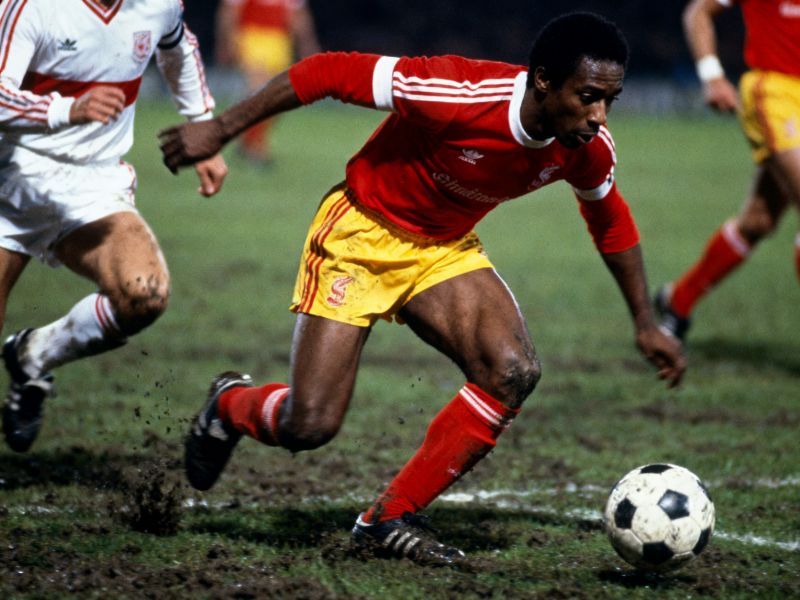
the commentators talked about technique. They missed the subtext: a black kid from Kingston via Stonebridge was schooling the samba kings on their own soil. Barnes never lectured about racism, but his mere presence—brilliant, unapologetic, unshakeable—was an argument all by itself.Injuries stole his sharpest years. A hamstring tear in 1992, then ankle problems, reduced him from a force of nature to a mere mortal. He adapted, dropping deeper。
becoming a playmaker who relied on vision rather than velocity. Watford fans remember his twilight spell fondly, even if the explosive bursts were gone. That's the cruel arithmetic of football: the body pays for the magic. Barnes finished with 79 goals in 314 Liverpool appearances, a tally that undersells his influence. Numbers never capture the way he made a stadium hold its breath.Today。when pundits discuss the Premier League's greatest wingers, Barnes' name surfaces less often than it should. Maybe it's because his peak coincided with a period English football would rather forget—the ban from European competition, the hooliganism, the decaying stadiums. But watch the old tapes. The close control, the low centre of gravity, the perfectly weighted through-balls. John Barnes wasn't just ahead of his time;he was a template for every modern winger who thinks dribbling is an art form. He did it first, and he did it with a smile that said he knew something you didn't.